01 / 12
Vanoise National Park
Разрешено проживание с домашними животными: Non
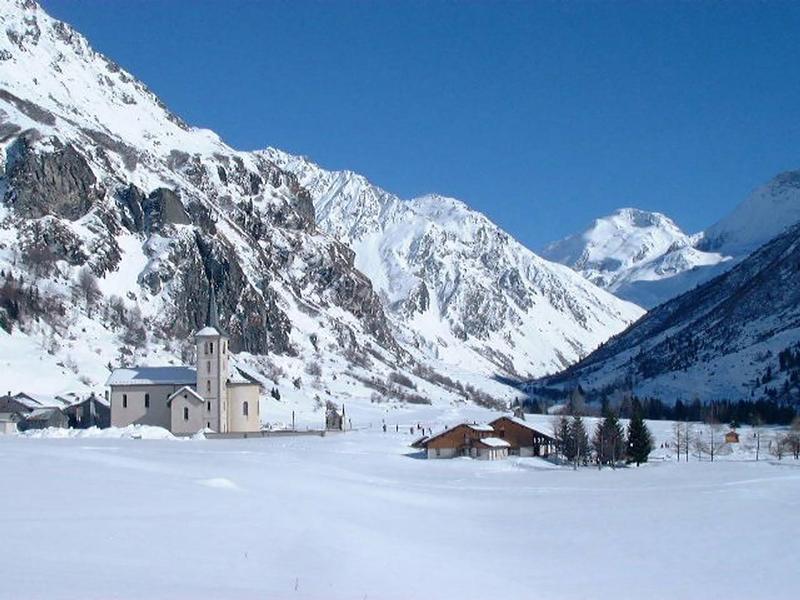
The Vanoise National Park is located in the eastern part of the Savoie department, in the Vanoise mountain range, which connects the two high valleys of Maurienne and Tarentaise, near the Italian border.
The park encompasses high mountains, rising to over 3,000 meters, on which numerous glaciers remain, but which are also cut by valleys opening onto wide, easily accessible mountain passes. Sheltered from oceanic rains by the Pre-Alps and the Belledonne Range, the massif enjoys a relatively dry and sunny climate.
BY THE NUMBERS
- 53,300 hectares, or 533 km², of the park’s core area
- 25 municipalities, 17 of which are within the park’s core area
- 224 protected species in the park’s core area (all protection statuses)
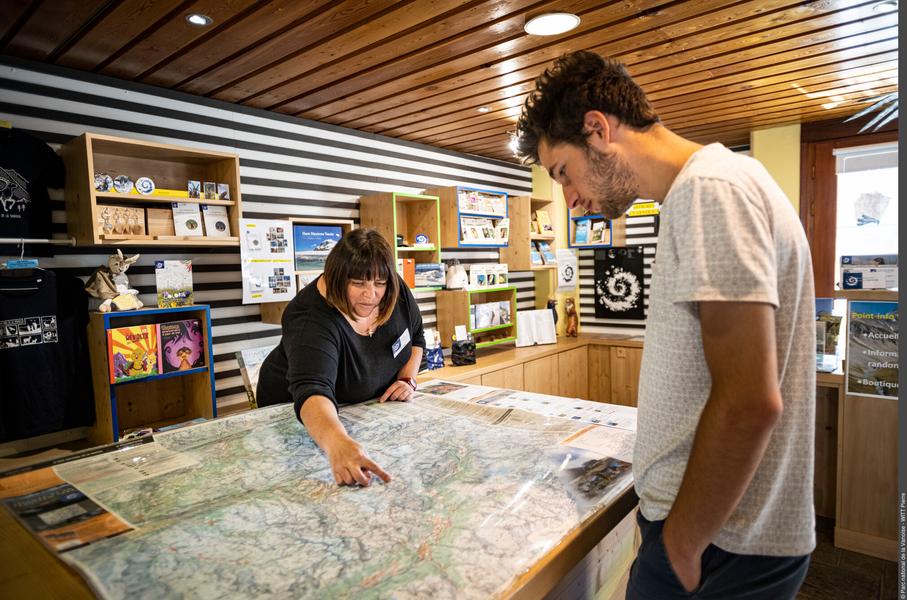
- 400 km of marked trails
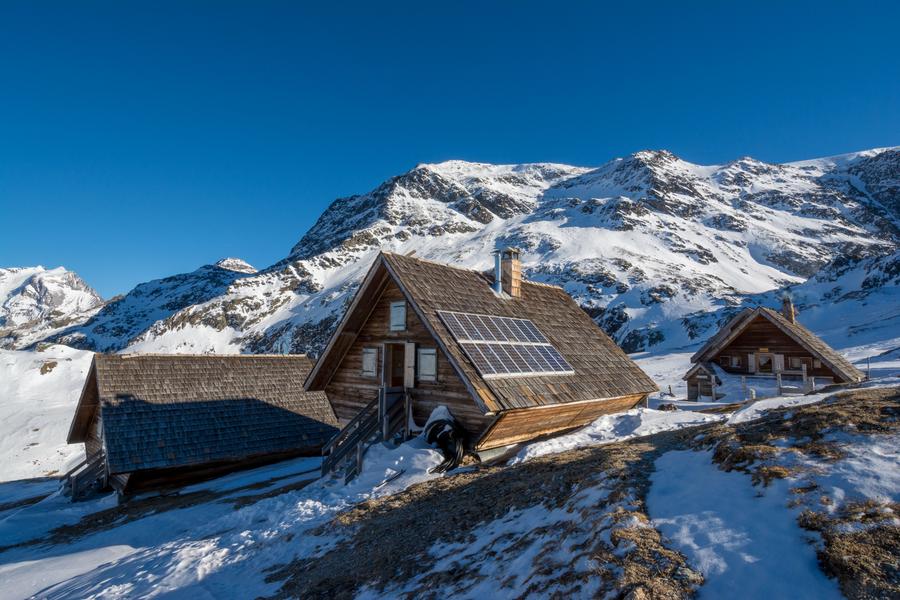
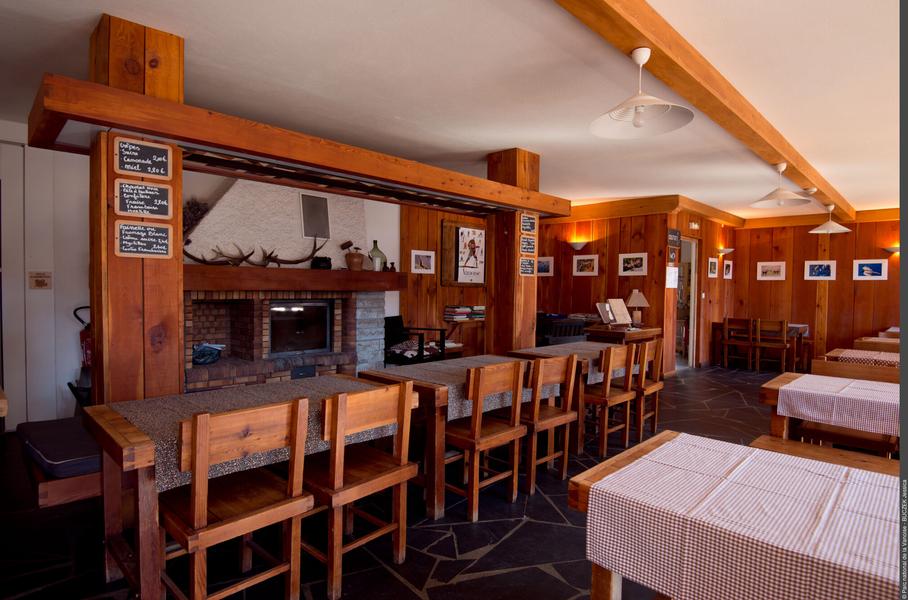
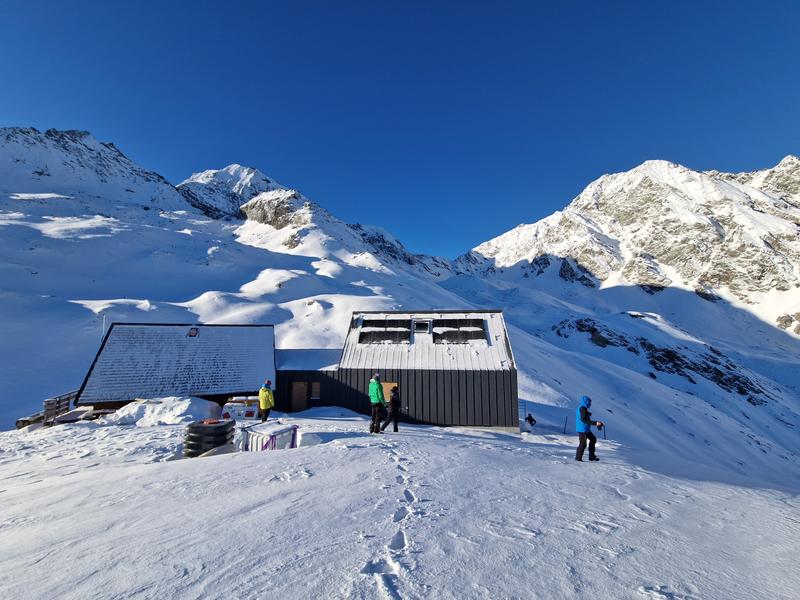
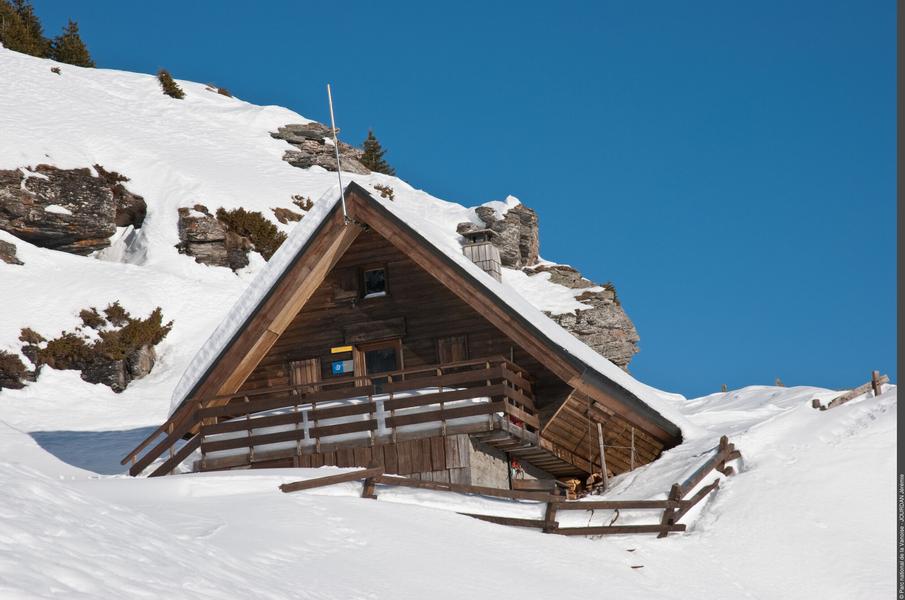
- 40 mountain huts in the park’s core area
- 5 nature reserves adjacent to the National Park
- Elevations in the core area: highest 3,855 m (La Grande Casse) and lowest 1,280 m
- 14 km of shared border with the Gran Paradiso National Park in Italy (Parco nazionale Gran Paradiso)
A PROTECTED AREA
The Vanoise National Park was created to protect the Alpine ibex. Protection has since been extended to other animal and plant species.
The core area of the Park covers 53,300 hectares under special protection governed by specific regulations established by a decree of the Council of State. With 33 natural habitats—31 of which are of Community interest—more than 2,860 plant species (300 of which are protected at the national level), nearly 1,000 species of fungi, and 325 vertebrate species—representing 65% of the vertebrates found in metropolitan France, 92% of which are protected—the territory of the Vanoise National Park is a vast reservoir of biodiversity.
The variety of its rocks (limestone, gypsum, sandstone, quartzite, schist, mica schist, gneiss…), combined with a highly complex geological structure, the wide range of elevations, and its position at a climatic crossroads, all contribute to the massif’s remarkable geological, floristic, and faunal richness.
Thanks to their 14-km shared border, the Italian Gran Paradiso National Park and the Vanoise National Park form one of the largest protected areas in Western Europe, covering 1,250 km².
NATIONAL NATURE RESERVES
The Park has also managed four national nature reserves on behalf of the government since their creation. The Grande Sassière, Plan de Tuéda, Tignes-Champagny, and Bailletaz reserves cover a combined area of just over 5,100 ha, contiguous within the heart of the Park. The National Forest Service, for its part, manages the Hauts de Villaroger National Nature Reserve.
A LIVING TERRITORY
Shaped by human presence spanning thousands of years, the Vanoise is a living territory that benefits from the preservation of its heritage combined with sustainable and respectful development.
Agriculture and tourism are major activities that contribute to the region’s prosperity and value but also have an impact on its natural heritage.
Throughout history, humans have developed high-altitude agropastoralism—a traditional practice of livestock raising and cheese production that contributes significantly to the diversity of the landscapes and the character of the National Park. The presence of wolves, predation, and protective measures (herding dogs) have altered pastoral practices. The Park is committed to supporting all users of the area. Together with farmers, it therefore defines economically and environmentally sound land-use systems within the Park’s core area.
Tourism is the major economic driver of the high valleys surrounding the Park’s core area. In addition to the winter sports resorts—which today form the largest ski area in Europe, with significant implications for the Park’s core—there is tourism focused on exploring and appreciating unspoiled nature and landscapes, whose reputation extends far beyond the country’s borders. Through its collaboration with local stakeholders, the National Park contributes to the economic and social vitality of the upper Tarentaise and Maurienne valleys.
The growth of recreational activities and climate change also prompt us to reevaluate certain development models in light of the sensitivity of ecosystems and species: adapting visitor capacity, promoting sustainable transportation, and reducing impacts on flora and fauna are areas that require further exploration.
A PARK ACCESSIBLE TO ALL
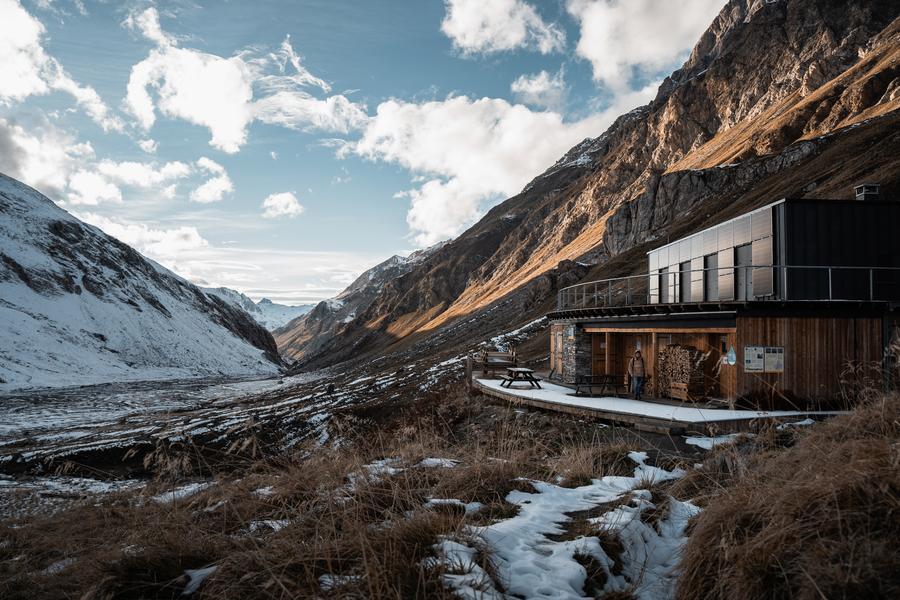
The Vanoise National Park is committed to supporting people with disabilities: mountain huts and trails in the Vanoise that are accessible to all, adapted educational resources and activities, and projects led by the National Park to ensure access to nature for everyone.
1/12

Что стоит посетить поблизости